Blog / Keep your earnings
How to avoid demonetization with your AI series
YouTube, TikTok and Facebook do not ban AI series. They stop paying for content that looks mass produced, repeated or copied. To stay safe, make each episode a new step in the story, use your own characters and scripts, and add the AI labels each platform asks for.
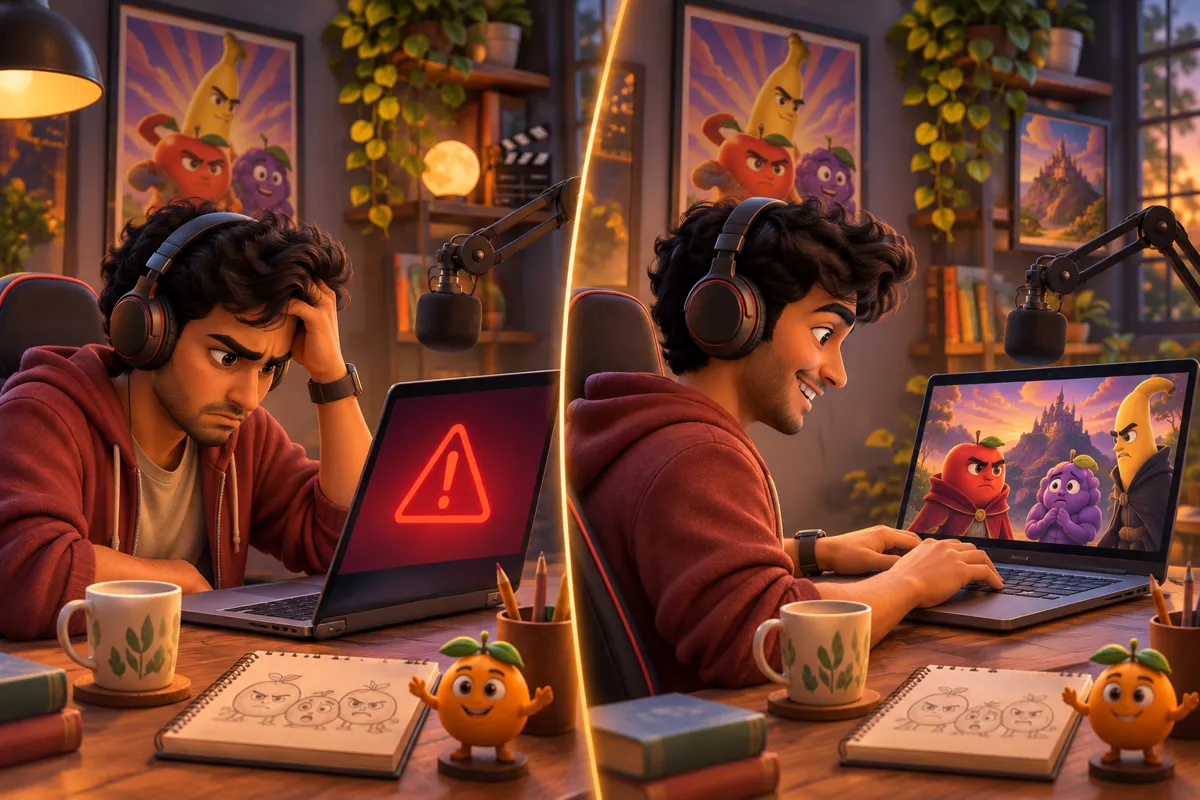
Losing monetization can hit a whole channel, not one video. Knowing the rules before you post a season saves months of work.
In short
- YouTube renamed its "repetitious content" rule to "inauthentic content" on July 15, 2025. It applies to the whole channel.
- YouTube's own help page lists "series or channels where each video has a distinct storyline" as allowed.
- TikTok's For You feed does not recommend unoriginal or reproduced content without new creative changes.
- Meta says content you film or produce yourself is original. Copies and stitched clips get less reach and can lose pay.
- Rules change. Check each platform's official page before every season.
What YouTube means by inauthentic content
On July 15, 2025, YouTube updated its Partner Program rules and renamed "repetitious content" to "inauthentic content". YouTube called it a small update to old rules, but the message was clear: channels that pump out near-identical videos do not get paid. The rule looks at the channel as a whole.
On the help page, YouTube says it does not pay for "AI-generated content made with generic or unoriginal templates giving the impression of mass production". Good news for series creators: the same page lists "series or channels where each video has a distinct storyline, focus, or concept" as allowed, and so is using the same intro and outro when the rest is different.
There is a second rule, reused content. Clips of other people's shows edited together "with little or no narrative" are not paid. So re-uploading someone else's microdrama, even cut into a recap, is a risk.
YouTube's Inauthentic Content Policy - Explained! (Video by Creator Insider on YouTube)
TikTok: original, with new creative changes
TikTok's Creator Rewards Program pays for high-quality, original videos longer than one minute. Its community guidelines say content is not eligible for the For You feed if it is "unoriginal or reproduced content that does not have any new or creative changes". And if an account keeps posting that kind of content, the whole account can stop being recommended.
TikTok also requires you to label AI-generated content that shows realistic people, scenes or voices, and it can add an "AI-generated" label by itself. Use the label. It protects you more than it costs you.
Facebook and Instagram: original means you made it
In July 2025 Meta said accounts that keep reusing other people's videos would lose access to Facebook monetization for a while and get less reach on everything they post. It had already removed about 10 million profiles that pretended to be big creators in the first half of that year.
In March 2026 Meta made the rule clearer. Original content is "content filmed or produced directly by a creator or owner of a Profile or Page". Unoriginal content includes duplicates, minor edits of someone else's post and "stitching multiple clips together". Meta also said it removed more than 20 million impersonator accounts in 2025, and that views of original Reels roughly doubled in the second half of 2025 compared with a year earlier. You can appeal an originality decision.
Habits that put a series at risk
Most series get in trouble for the same few reasons:
- Same template every time: identical opening, same plot, only the names change.
- Twenty near-identical episodes posted in one day.
- The same episode uploaded on several of your own accounts at once.
- Re-uploads or recaps of shows from drama apps or other creators.
- Another app's watermark on your video.
- No AI label on realistic people or voices.
How to make every episode count as original
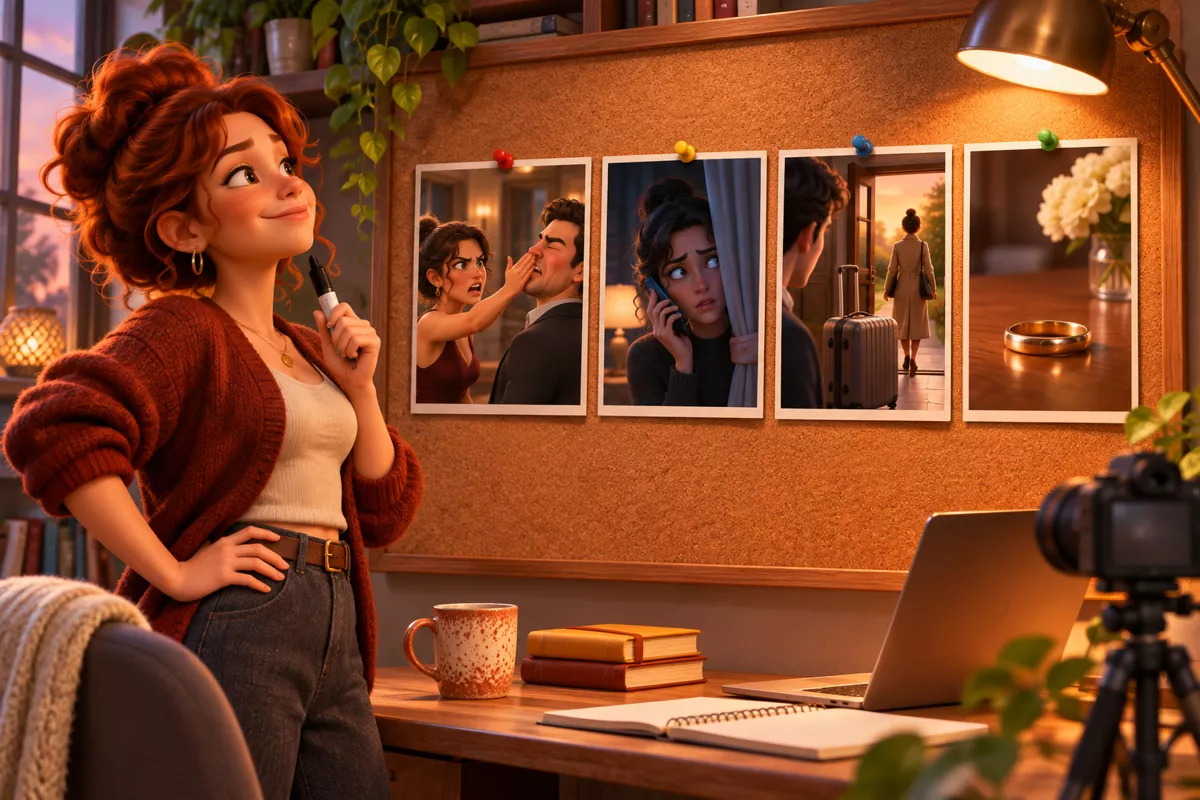
A series has a built-in advantage: each episode should move the story forward anyway. Use that.
- Give every episode its own turn: a secret comes out, someone lies, someone leaves.
- Use your own characters and scripts, and keep the same faces across the season.
- Change places, times of day and camera angles between episodes.
- When you join a season into one long video, add a new intro or narration so it is more than a pile of clips.
- Post at a human pace: one to three episodes a day is plenty.
If you get a warning or lose monetization
Do not panic and do not delete everything at once. Read the exact reason in YouTube Studio, the Facebook Professional Dashboard or your TikTok account status. Fix the pattern they point to, then appeal or reapply. YouTube usually lets you reapply after a waiting period, and Meta and TikTok have appeal buttons. The times and steps change, so follow the official help page for your case.
One thing to do today
Open your profile and look at your last ten videos as a stranger would. If the covers and titles look almost the same, rewrite the next three so each one promises a different twist. That one change helps with every platform's rules at once.
Questions
Does YouTube demonetize AI videos?
Not for being AI. YouTube stops paying for mass-produced or repetitive content, AI or not. A series where each video has its own storyline is listed as allowed.
Can I post the same episode on TikTok, YouTube and Instagram?
Yes, posting your own work on each platform is fine. Upload a clean file without another app's watermark, and avoid posting the same video on many accounts you own.
Do I have to label my series as AI on TikTok?
TikTok requires a label on AI content that shows realistic images, audio or video, and encourages it for other AI content. Animated styles still benefit from the label.
Is a "full movie" made from my episodes reused content?
It is your own work, so it is not reused in YouTube's sense. Still, add a new intro or narration so the long video has its own reason to exist.
Original from the first episode
Bring your own idea and characters, and our AI agent turns them into episodes that each move the story forward.