Blog / 2027 outlook
Where microdrama money is going in 2027
Forecasts say microdramas will keep growing in 2027. Omdia expects US revenue near $2 billion in 2027, up from about $1.5 billion in 2026. The money is spreading from a few paid apps toward ads, Hollywood studios, AI-made shows and the social networks where people discover series.
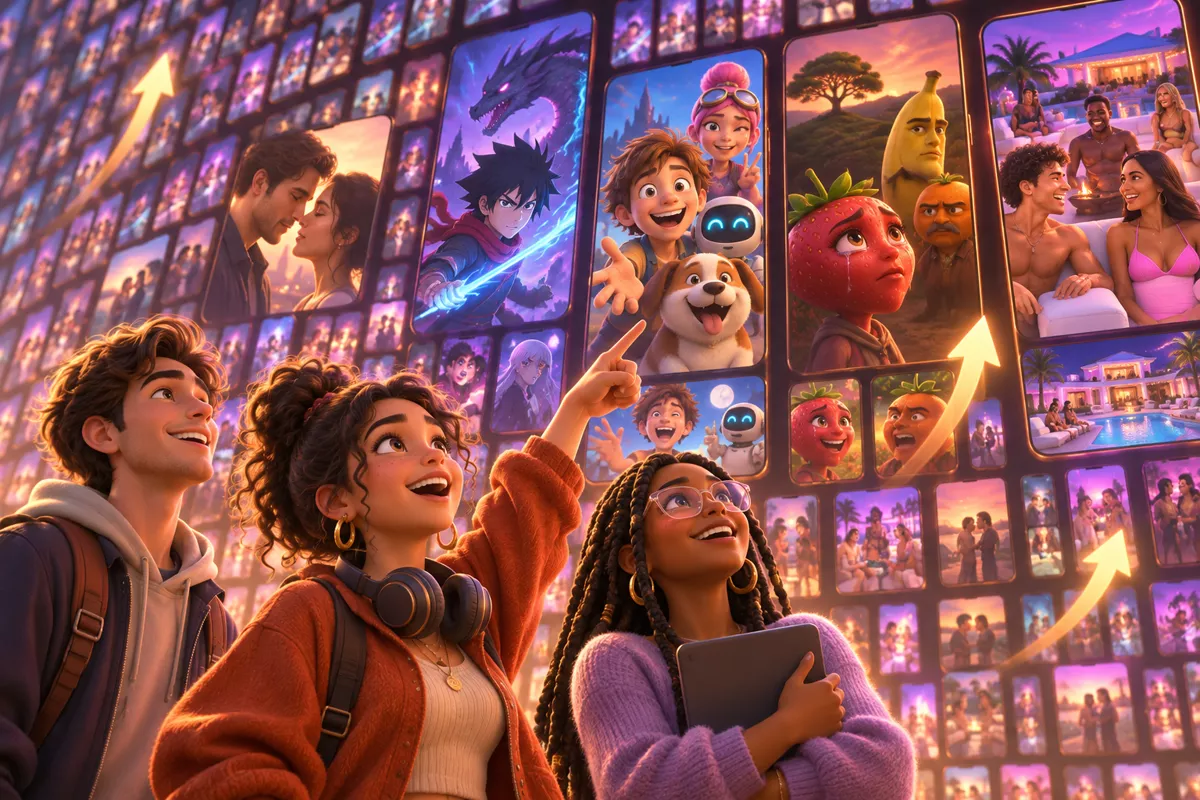
Knowing where the money is heading helps you choose what to make, where to post it and who might pay you for it next year.
In short
- Omdia: about $11 billion worldwide in 2025 and $14 billion expected in 2026.
- Omdia, via Reuters: US revenue of $1.5 billion in 2026 and nearly $2 billion in 2027.
- Media Partners Asia: revenue outside China of $3.6 billion in 2026, heading to $9.5 billion by 2031.
- Big studios like Fox and NBCUniversal are making vertical series. Apps are adding ads and cheaper web payments.
- These are forecasts, not promises. They can be wrong in either direction.
The numbers for 2026 and 2027
Here are the forecasts that matter most, with who made them:
- World: about $11 billion in 2025 and $14 billion expected in 2026, according to Omdia.
- United States: $1.5 billion in 2026 and nearly $2 billion in 2027, according to Omdia, as reported by Reuters in August 2026.
- US audience: 66 million monthly viewers in 2025, up from 26 million in 2024 (Omdia).
- Outside China: $2.7 billion in 2025, $3.6 billion in 2026 and $9.5 billion by 2031, according to Media Partners Asia.
- All vertical video outside China, not only drama: about $150 billion in 2026, according to Owl & Co.
The numbers do not match each other because each firm counts different things. What they agree on is the direction: up.
Apps: a few giants and hundreds of small ones
Media Partners Asia estimates ReelShort holds about 29% of the market outside China, followed by DramaBox with 21%, DramaWave 13%, NetShort 10% and GoodShort 6%. The rest is split between roughly 300 smaller apps. It expects ReelShort to reach $1.7 billion in revenue in 2028.
Two changes matter for 2027. Apps spent about 55% of their revenue on marketing in 2025, and MPA expects that to fall to 44% by 2027. Ads are also growing: MPA expects them to make about 15% of ReelShort's revenue by 2028, and apps are moving payments to their own websites to avoid app store fees.
For a creator, this means two things. More people will watch for free with ads, so the audience grows. And apps that spend less on marketing need cheaper ways to find viewers, like creators who already have an audience on social media.
Hollywood arrives
In 2026 the big names moved in. Fox signed a deal with Holywater, the maker of the My Drama app, to produce more than 200 vertical titles in exchange for a stake in the company. NBCUniversal added vertical video to Peacock and released microdramas built around Bravo reality stars. New studios started by former heads of ABC, Showtime and Miramax are making vertical series too.
The actors' union SAG-AFTRA created a contract for this kind of work, with minimum pay and rest rules. When unions write contracts for a format, it is no longer an experiment.
China Cracked the 90-Second Drama. Now it's Taking Over American Phones. | WSJ (Video by The Wall Street Journal on YouTube)
AI is cutting the cost of a season
Reuters reported that a typical live-action microdrama of 50 to 75 episodes takes about three months and costs $100,000 to $300,000. Ironblood, an app that makes AI action series, says it makes a show in three to four weeks for $60,000 or less, with humans writing the scripts.
That gap keeps growing. In 2027, expect more studios to make AI series and more solo creators to make full seasons alone. Cheaper production means more competition, so good stories and recognizable characters will matter more, not less.
Social networks are the new trailer
Omdia calls TikTok, Instagram Reels, Facebook and YouTube Shorts "the new trailers" for microdramas. People find a story there and then follow it. On TikTok, Issa Rae's thriller "Screen Time" reportedly drew 500 million views in a month, according to Reuters.
The audience is also widening. The core is still women aged 25 to 55, but Owl & Co found that 30% of My Drama users are men, and the fastest growth is among viewers aged 22 to 27. Formats beyond romance, like reality shows and comedy, have room to grow.
What it means for a creator in 2027
If the forecasts hold, these moves make sense:
- Build an audience on social media first. Apps, studios and brands look for proof that people watch.
- Make your series in two languages. Apps say Latin America and Asia bring many viewers but little revenue so far, which leaves room to grow.
- Try formats beyond romance: reality shows, comedy and stories for men aged 22 to 27.
- Own your characters. As production gets cheaper, characters people recognize are what is hard to copy.
- Keep your costs low and your expectations honest. A forecast for a market is not a forecast for your account.
One thing to do today
Pick one trend from this guide and test it with a single episode this week: a reality show instead of a romance, or the same episode in Spanish. Post it, look at how many people watch to the end, and decide from your own numbers.
Questions
How big will the microdrama market be in 2027?
Omdia expects nearly $2 billion in the US in 2027. Worldwide, Omdia expected about $14 billion in 2026 and more than $22 billion by 2030.
Is it too late to start a microdrama channel?
The forecasts still point up, and most creators post single videos, not series. More competition is coming, so start with a clear genre and characters people remember.
Will AI replace microdrama studios?
It is lowering costs fast, and some studios already make AI series with human writers. Stories and characters still come from people.
Which platforms will pay creators for series in 2027?
TikTok, YouTube and Facebook already pay for long enough original videos, and apps and brands pay for series too. Check each platform's official page, because programs change.
Be ready before 2027 gets crowded
Write your idea in one sentence and our AI agent turns it into your first episode, in the style you want.