Blog / Real cases
Creators who made money with story series, and what you can copy
Yes, people make real money with story series. Dhar Mann and Alan Chikin Chow built businesses worth millions on short scripted episodes, and one furniture brand says its series sold millions in product. Here is how each case worked, what went wrong in one of them, and the parts a beginner can copy.
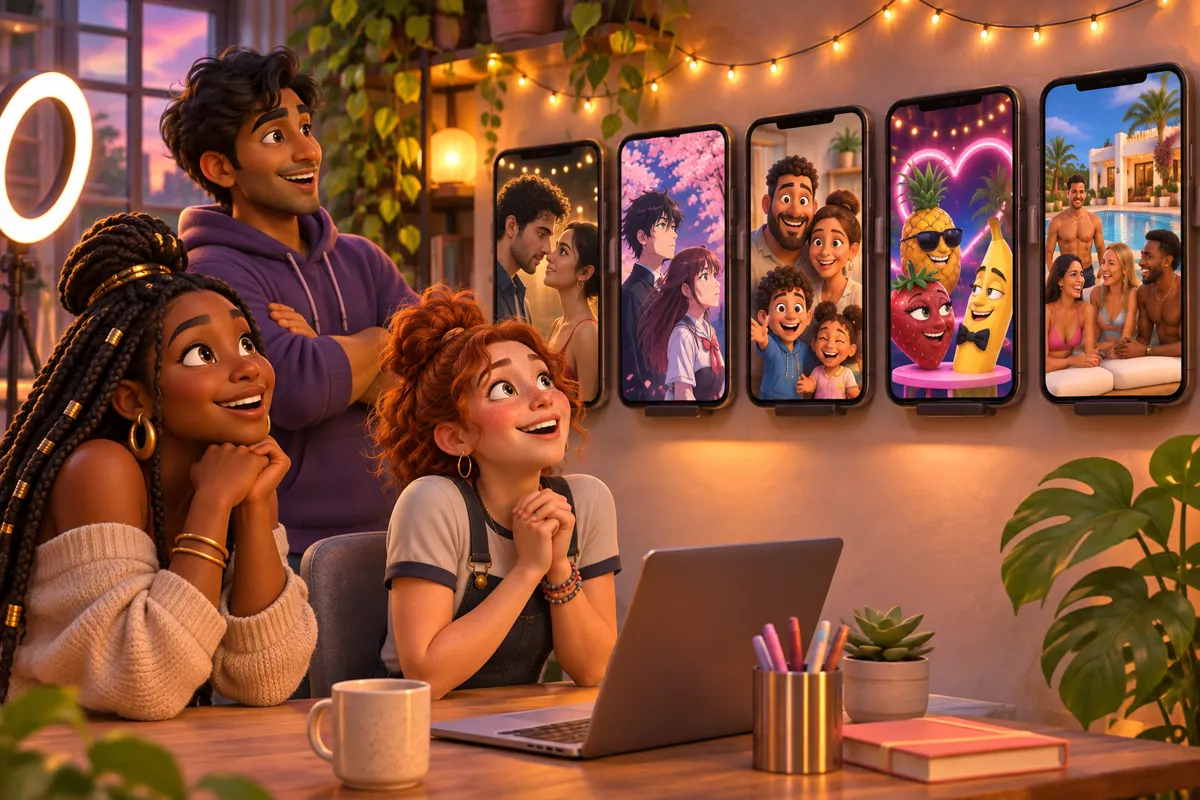
Seeing how real creators got paid shows you which part of their path you can start this week, and which part took them years.
In short
- Dhar Mann earned about $65 million in a year with scripted life-lesson stories, according to Forbes.
- Alan Chikin Chow turned his short videos into a series, Alan's Universe, that now plays on Netflix too.
- An AI fruit dating show passed 300 million views in nine days on TikTok, then the account lost its income.
- The pattern that repeats: the same characters, a clear formula, and more than one way to get paid.
What these cases have in common
None of the creators below got rich from one viral video. They built a world people wanted to come back to, then sold that attention in several ways: ads, brand deals, licensing to streaming services and their own products.
The numbers are big and they took years. Read them as a map of where a series can go, not as what you will earn. Most creators who start today will earn far less, and many will earn nothing for months.
Dhar Mann: one formula, repeated thousands of times
Dhar Mann started posting on YouTube in 2018. His videos are short scripted stories with a moral: someone is rude or unfair, and by the end life teaches them a lesson. The plots are simple on purpose. You know what kind of story you will get before you press play.
Forbes estimated that he earned about $65 million between March 2025 and March 2026, second on its Top Creators list behind MrBeast. His studio in Burbank has around 200 staff, and in 2026 he signed a deal with Fox Entertainment for 40 vertical dramas, according to reports on the Forbes list.
In this interview he explains how the business grew and where the money comes from:
What to copy: a formula people recognize in the first five seconds. You do not need a studio for that. You need one type of story you can tell again and again with new faces and new problems.
From $0 to $5M Per Month: How Dhar Mann Broke YouTube (Video by BigDeal by Codie Sanchez on YouTube)
Alan Chikin Chow: from sketches to a universe
Alan Chikin Chow began with funny short videos and later built Alan's Universe, a high school drama about love and friendship told in short episodes with the same cast. Forbes placed him around number 25 on its 2026 Top Creators list, with estimated earnings of about $10.5 million.
The series did not stay on YouTube. It was licensed to Roku, Amazon Prime Video and Tubi, and in July 2026 Netflix started showing new episodes the same day they come out on YouTube. He also made a sponsored vertical drama for a beauty brand. One cast, many buyers.
What to copy: keep the same characters in every episode. A cast people love is something you can sell many times, to platforms, to brands and later as merch.
Monetizing The Alan Chikin Chow Brand: 'I Think Of My Videos Like A Mad-Lib' (Video by Forbes on YouTube)
Fruit Love Island: huge views, short life
In March 2026 an AI series about fruit characters on a dating show took over TikTok. It started on March 13 and passed 300 million views in nine days, with more than 10 million views per episode, according to the-decoder and DesignRush.
Two weeks later it was over. Many videos were removed, the creator said the account had stopped earning, and the show ended on March 28. Copies of it kept going on other accounts.
The lesson is not that AI series fail. The lesson is that views on one account are not a business. If all your income depends on one profile on one network, one wave of reports can switch it off. Keep your own copies, post on more than one network, and follow each network's rules from day one.
Brands pay for series too
Sometimes the one who earns is a company. Bob's Discount Furniture released a microseries called Till Decor Do Us Part in the summer of 2025. It drew 152 million views, and the company claims it brought $9 million in sales it could trace back to the series, according to Tubefilter. A second season followed.
YouTube also pointed to GOKKO CLUB, a Japanese drama channel that folds brand messages into its stories. For a small creator, this is the most realistic first income: a local business that wants its product inside your story.
What a beginner can copy today
Put the cases side by side and the same moves keep showing up:
- Formula: one kind of story people can name in a few words (revenge, secret billionaire, school romance).
- Same cast: viewers come back for characters, not for random videos.
- Many episodes: Dhar Mann and Alan Chow have hundreds. Volume gives the formula time to work.
- More than one income: ads, brands, licensing and products, never just one.
- Safety: your own content, more than one network, and the rules read before you post.
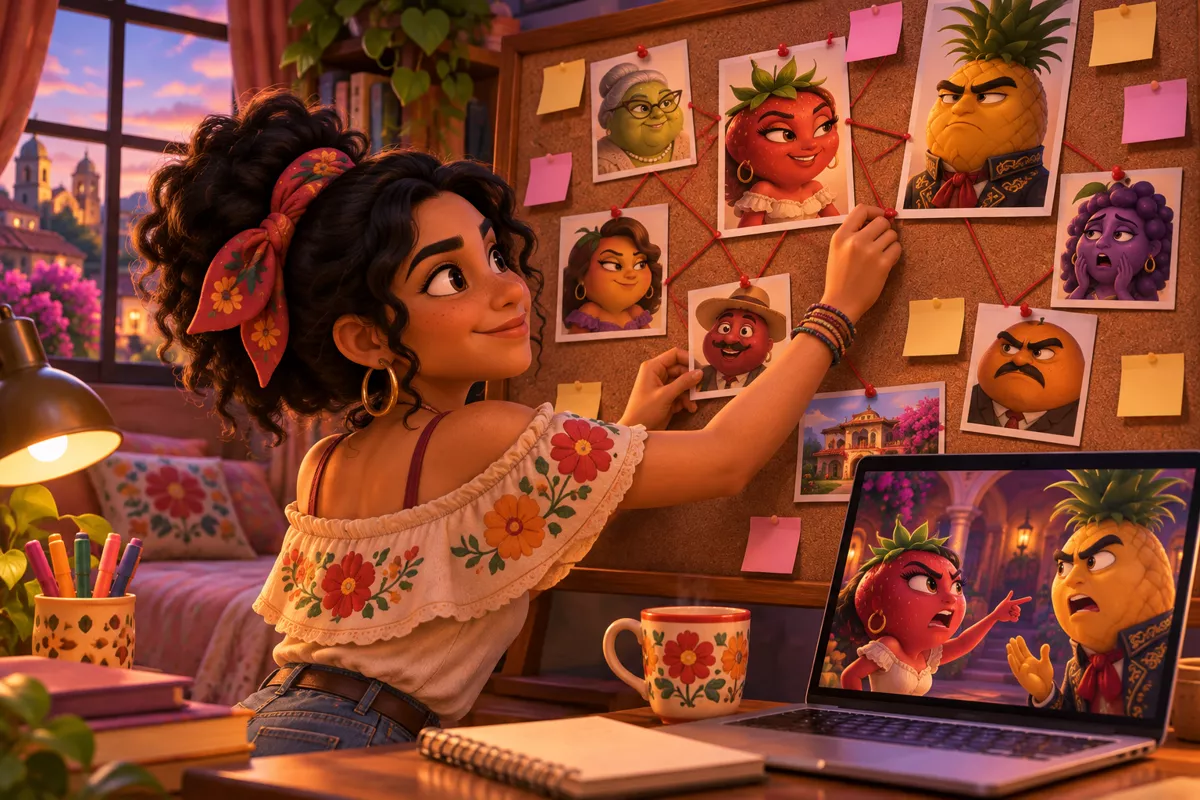
Our own example: Sweet Betrayal, a 3D telenovela about fruit characters made with BeDigitaly, has 14 episodes on YouTube. It uses the same cast and the same kind of cliffhanger every time, which is the part of these cases anyone can copy.
One thing to do today
Pick one of the creators above and watch five of their episodes in a row. Write down, in one line each, how every episode starts and how it ends. That list is the formula. Then write the same two lines for your own first episode.
Questions
How much did Dhar Mann earn?
Forbes estimated about $65 million from March 2025 to March 2026. It is an estimate of gross income for a studio with around 200 people, not the profit of one person.
Can a small creator earn with a story series?
Yes, but usually small amounts at first. The first money tends to come from network payouts once you qualify, or from a local brand that wants its product in an episode.
Did the AI fruit dating show make money?
It earned for a short time, but the creator said the income stopped after many videos were removed, and the show ended about two weeks after it started.
Do I need actors or a studio to start?
No. You can start with AI characters and a phone. What the big cases share is a formula and the same cast, and you can have both from episode 1.
Your cast, your formula
Choose a story you could tell a hundred times and our AI agent helps you make the first episode today.