Blog / Brands in your story
Product placement in a microdrama: how to do it and what to charge
Product placement in a microdrama means a brand pays you so its product appears inside the story, used by your characters, instead of in an ad before or after. It works best when the product helps the plot move. Below you will see how big brands do it, five ways to fit a product in and a simple way to set your price.
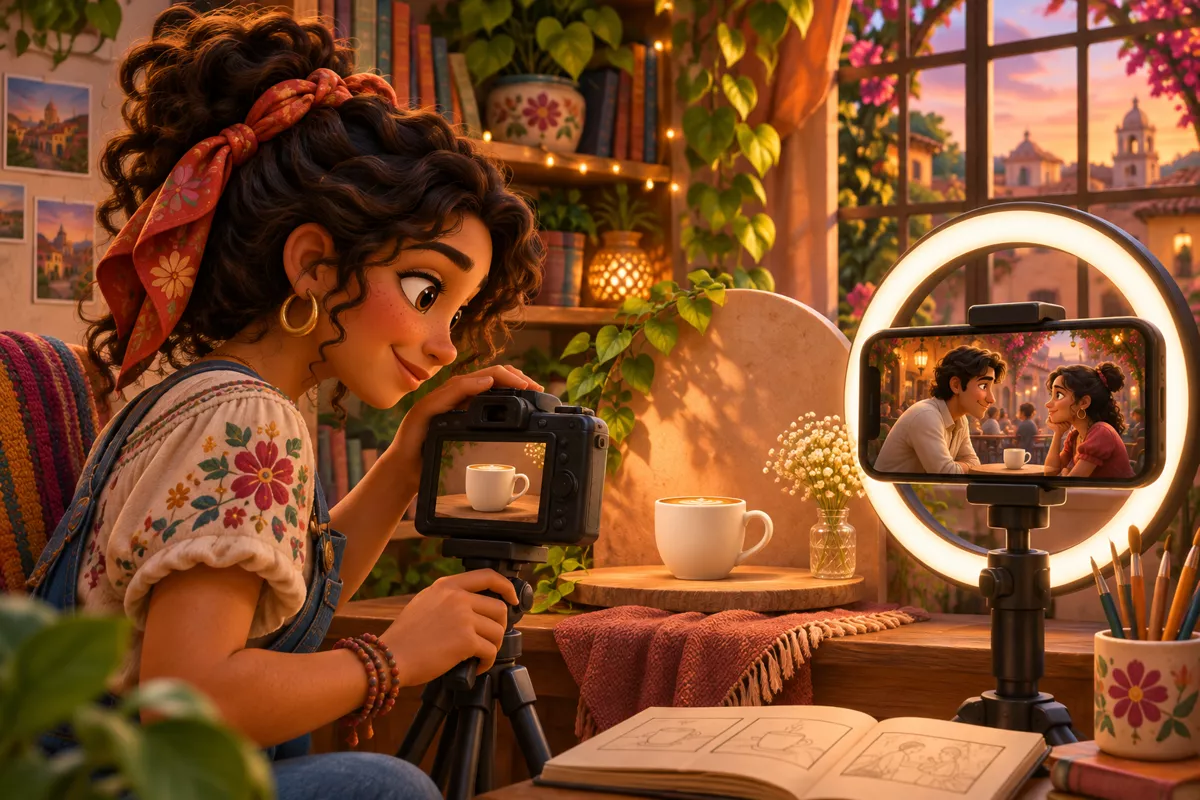
A series shows the same product again and again to people who come back for the next episode. That repeat is what brands pay for, and you can sell it even with a small account.
In short
- Product placement is when a product appears inside the story, not in a separate ad.
- According to PQ Media, brands will spend about $42 billion on product placement worldwide in 2026, and it names microdramas as one of the new reasons for that growth.
- Crocs, Native (from P&G) and other brands made their own microdramas in 2026.
- Later's 2026 price guide puts a TikTok or Reel from a creator with 1,000 to 10,000 followers at $200 to $500, and $800 to $2,500 from 10,000 to 100,000 followers.
- Always label it as paid. The rules change, so check each network's official page.
What product placement looks like in a series
There are two levels. In a simple placement, the product is just there: the heroine drinks from a cup of a certain café. In an integration, the product matters to the story: the café is where she meets the stranger, and every episode comes back to it.
Integration is worth more, because people remember things that are part of a plot. It also takes more work, since you have to write it into the episodes from the start.
Money is moving this way. The research firm PQ Media expects product placement spending to grow 13.7% in 2026, to about $42 billion worldwide, according to coverage of its 2026 forecast in MediaPost and Sostav. The report lists short vertical series as one of the new drivers.
Product Placement Versus Brand Integration (Video by Hollywood Branded on YouTube)
Big brands are already doing it
A few real examples from 2026 show what brands are buying:
- Crocs made "Charmed to Meet You" on ReelShort, a romance where the shoe charms drive the story.
- In June, Crocs and the studio SuperOrdinary released "Déjà Shoe", a seven-episode comedy on TikTok where viewers could buy the shoes from each episode through TikTok Shop.
- Native, a P&G brand, released its own microdrama, "The Golden Pear Affair".
- In June 2026 TikTok launched an ad tool to help brands promote their microdramas, which tells you the platform expects more of them.
You are not a big studio, and that is fine. Small brands and local shops want the same thing at a smaller size: a story that people watch to the end, with their product in it.
5 ways to fit a product without it feeling like an ad
The rule is simple: the product helps the story, the story never stops for the product. Pick one of these:
- The problem solver: the character is in trouble and the product gets her out. A phone charger in a blackout, a raincoat in a storm.
- The habit: the character always uses it. Her morning coffee, his favorite sneakers. People link the product to someone they like.
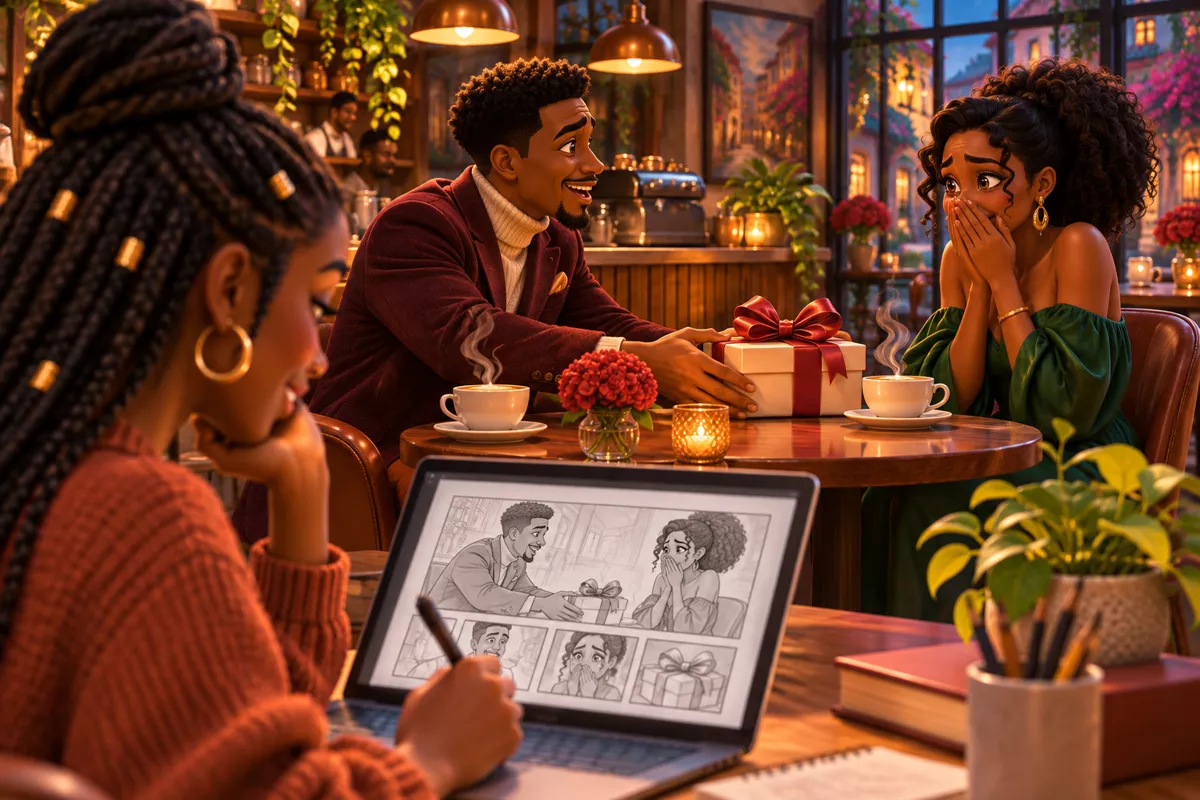
- The gift: the product changes hands between two characters. A perfume from an ex, a watch from a rival.
- The place: the scene happens in the client's café, gym or shop. Ideal for local businesses.
- The cliffhanger object: the episode ends on the product. The ring box, the open bag, the message on the screen.
Show the product once per episode, at most one line of dialogue about it, and never read out a price inside the story. Price and link go in the caption or the description.
How much to charge
There is no official price list. A good starting point is what creators charge for one sponsored video. According to Later's 2026 influencer pricing guide, a Reel or TikTok costs about $200 to $500 from a creator with 1,000 to 10,000 followers and $800 to $2,500 with 10,000 to 100,000 followers.
For a series, build the price from parts:
- Episodes with the product: your price per video times the number of episodes where it appears.
- Package discount: 10% to 20% off when the brand buys several episodes.
- Writing work: add a fee if you write the product into the plot.
- Usage rights: charge extra if the brand wants to run your episodes as its own ads.
- Approval rounds: include one round of changes and charge for more.
Example: you have 15,000 followers and charge $800 per video. A brand wants its product in 5 episodes. That is $4,000, or $3,200 with a 20% package discount. It is a starting price for a conversation, not a promise of what you will get.
Your cost matters too. With BeDigitaly, a one-minute episode starts at about 400 credits (around $4) with the simplest quality, and the app shows the exact price before you pay.
Always say it is paid
In the United States the FTC asks creators to make paid deals clear and easy to see. Words like "Ad" or "Paid partnership" work. Use the platform label too: TikTok has a branded content switch and Instagram has a paid partnership label.
Write it in the caption and, if you can, show it on screen in the episode with the product. Other countries have similar rules, and they change, so check the official page of each network and of your country before you publish.
One thing to do today
Pick one local business you like and write three lines: which character would use its product, in which scene, and how that scene ends. That is the start of your first pitch.
Questions
Do I need many followers to get product placement deals?
No. Local businesses and small brands work with creators of all sizes. A short series with good completion rates can be easier to sell than a big account with random videos.
Can I accept free products instead of money?
You can, but a free product is still payment. You must label the episode as a paid or gifted partnership.
What if the brand wants to change my story?
Agree on approvals before you start: what the brand can change (how the product looks) and what it cannot (the plot). Write it in the deal.
Can an AI-made series show a real brand's product?
Yes, if the brand asks for it or agrees. Use the product photos they send you and let them approve how the product looks before you publish.
Make the episode a brand would want
Write your idea and the product in one sentence. Our AI agent turns it into an episode you can show to the brand.