Blog / Side business
How to start a microdrama studio as a side business
A microdrama studio is you, making short series for other people: a bakery, an online shop, a coach or a creator with no time. You sell episodes or a monthly series, and AI does the filming. Here is what to sell, who buys it and how to find your first clients.
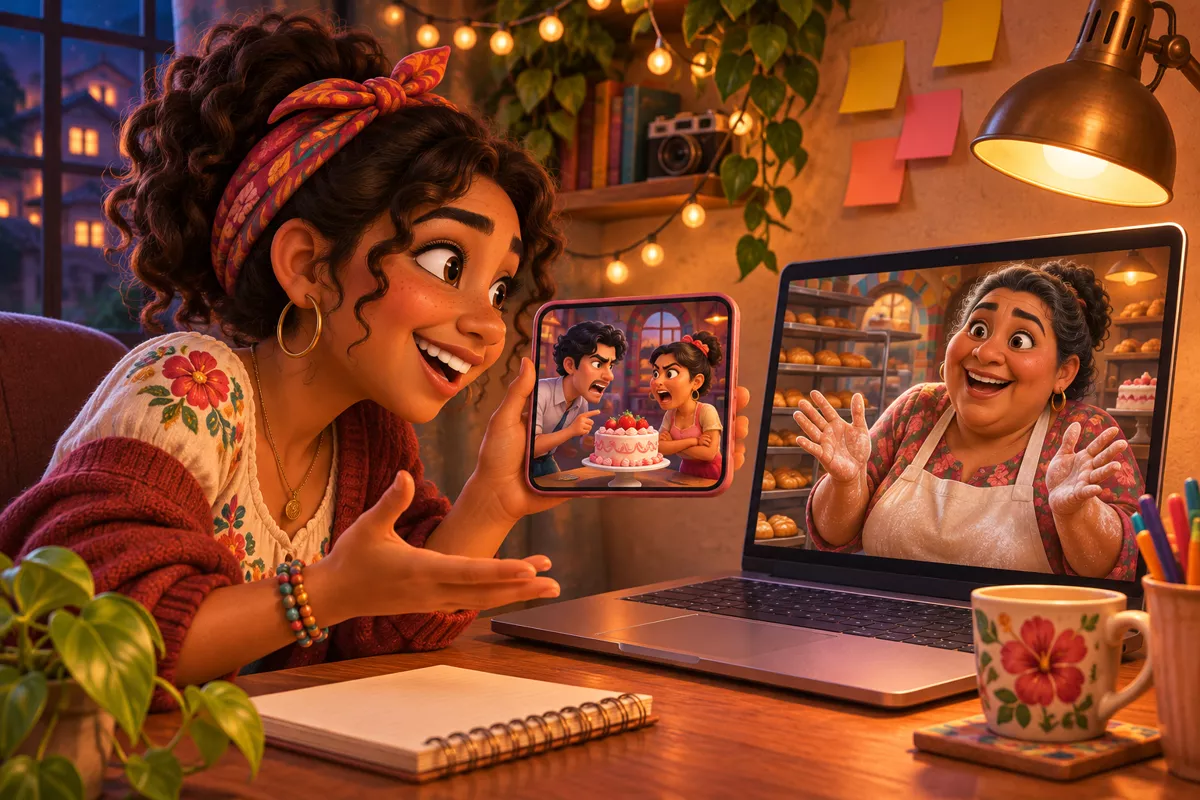
Your own series can take months to pay. A client pays when the work is done, so a studio is often the fastest way to earn your first money with series.
In short
- A microdrama studio makes short series for brands, small businesses and creators.
- Big brands already do it: Crocs released a seven-episode shoppable series on TikTok in June 2026.
- A US studio series usually costs $150,000 to $200,000, according to Broadcast. Small businesses cannot pay that, and that gap is your space.
- With AI, your main cost is your time. A simple one-minute episode on BeDigitaly starts at about $4 in credits.
- Start with one demo series, a short menu of services and three businesses you already know.
What a one-person microdrama studio is
Think of a small video agency, but instead of ads you sell stories. A client says "I want people to remember my shop". You give them a series with characters, a problem and a cliffhanger at the end of every episode, and their product shows up inside the story.
You do not need a camera, actors or an office. You need to write a good story, keep the characters the same from episode to episode and deliver on time. The rest you can do from a laptop or a phone.
- Small local businesses: restaurants, hair salons, gyms, real estate agents.
- Online shops that sell on TikTok or Instagram and need new videos every week.
- Coaches and teachers who want a fun way to explain what they do.
- Creators who have an audience but no time to make a series themselves.
Why companies want series now
Brands have noticed that people binge short dramas. In June 2026 Crocs and the studio SuperOrdinary released "Déjà Shoe", a seven-episode comedy on TikTok where viewers can buy the shoes inside the episodes. The press release said it was made in under four weeks.
Big studios charge a lot for this. Broadcast, a UK TV trade magazine, reported in October 2025 that a US microdrama series usually costs $150,000 to $200,000, and the top ones go past $300,000.
Most small businesses live on a much smaller budget. In a LocalIQ survey of more than 300 small business owners, 52% said their whole monthly marketing budget is under $1,000. Between "nothing" and "$150,000" there is a lot of room for a one-person studio.
What you can sell: a simple menu
Keep your first menu short. Three or four things are enough:
- Pilot episode: one episode of about one minute, so the client can see the idea working.
- Mini series: three to five episodes with the same characters, for a launch or a sale.
- Monthly series: four new episodes every month, one per week. This is the one that pays you every month.
- Product inside the story: the client's product is part of the plot, not a break in the middle.
- Extras: captions, music and a second language version.
Write each item with what is included: how many episodes, how long, how many rounds of changes and when you deliver. Clients like knowing exactly what they get.
Your tools and what they cost you
With an AI series app you can write the script, create the characters and places, and make each episode scene by scene. On BeDigitaly a one-minute episode starts at about 400 credits, around $4, with the simplest quality, and costs more with better video models. The app shows the exact price before you pay, and scenes that fail are refunded.
So the credits are a small part of your cost. Your real cost is your time: talking with the client, writing, checking every scene and making changes. Count those hours before you set a price.
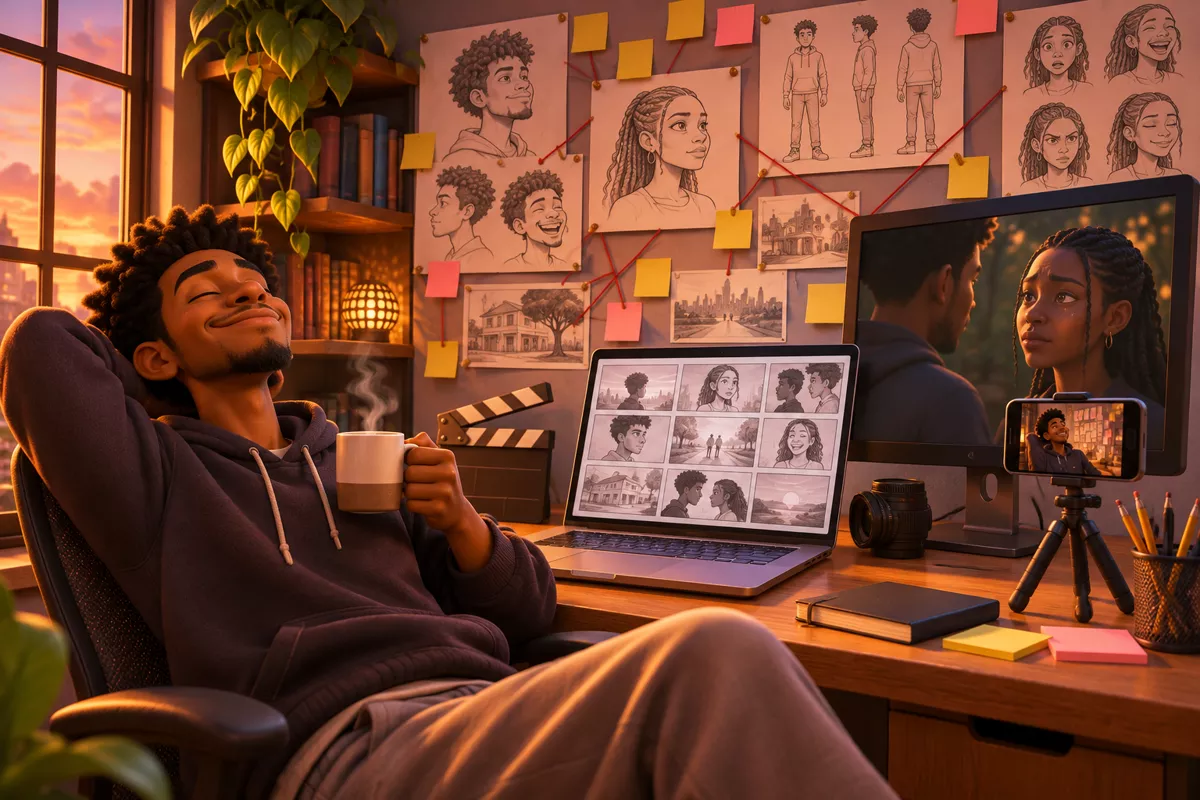
How to find your first three clients
Nobody buys a series from a stranger with no examples. So first make a demo: a three-episode series for an invented business, like a coffee shop with a rival across the street. Post it on your own account. That is your portfolio.
Then start close to home. Make a list of ten businesses you already know: your barber, the bakery you go to, a friend's online shop. Send each one a short message with your demo and one idea written for their business. Offer a pilot episode at a low price so saying yes is easy.
- Ask for one thing in writing before you start: the idea and the script the client approves.
- Ask permission to show the work on your own account. Every client is a new example for the next one.
- When a client is happy, ask who else they know. Local business owners talk to each other.
How to Get Clients Starting from 0 (Guide for Beginner Videographers) (Video by Jono and Jason on YouTube)
Mistakes that sink new studios
Most problems in client work come from a few avoidable mistakes:
- Promising views. You cannot control the algorithm. Promise episodes, dates and quality, never numbers.
- Unlimited changes. Include two rounds of changes. After that, each change has a price.
- No written agreement. Even a one-page email that says what you deliver, when and for how much saves friendships.
- Forgetting the ad label. When a brand pays for a post, TikTok, Instagram and YouTube ask you to mark it as paid content. Check the current rules on each network's official help page.
One thing to do today
Pick one business you know well and write a one-sentence series idea for it, like "A baker and the food critic who keeps coming back to prove her wrong". That sentence is the start of your first demo.
Questions
Do I need a company to start a microdrama studio?
Many people start as freelancers and register a company later. The rules depend on your country, so ask a local accountant before you invoice a lot.
How much should I charge a client?
It depends on how many episodes, how long and how many changes. Our guide on pricing a series for a client walks you through the numbers.
Who owns the series I make for a client?
Whatever your agreement says. Write down who owns the characters and the episodes, and where the client can use them, before you start.
Can one person really run a studio like this?
Yes, for small clients. AI makes the scenes, so your job is the story, the client and the deadlines.
Do I need to show my face?
No. You sell the series, not yourself. A demo series and a clear menu are what clients look at.
Your first client needs a demo
Make a three-episode demo series today and you will have something real to show tomorrow.